Rotator boxes, like self-dumping hoppers, help make material handling more efficient and safer for industrial warehouses, waste processing plants, manufacturing facilities, and more. Both hoppers and rotator boxes can be used with forklifts, with the difference being that rotator boxes require a forklift with a rotational attachment and are best used for smaller waste applications.
Whether you’ve already purchased your rotator box, or are considering one, keep these tips in mind before you use one:
Use Wider Adjustable Rails for Heavier or Damaged Boxes
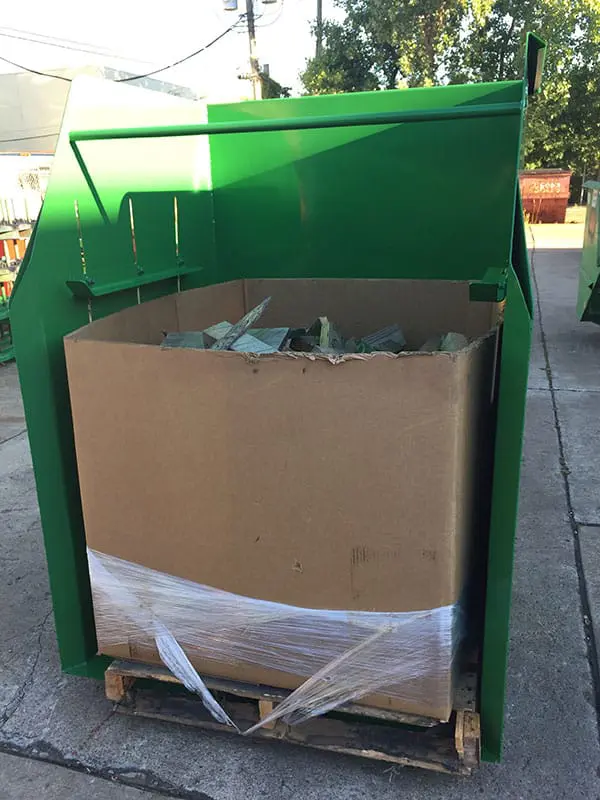
Our Gaylord rotator box is specifically designed for use with Gaylord boxes. These models can be engineered with standard-size or wider adjustable rails. These rails are an essential part of operation on Gaylord rotator boxes because they are open-front containers and that contain the Gaylord box during transportation and dumping.
If you haven’t already ordered a rotator box yet, opt for a wider adjustable rail if you know you’re going to be transporting and handling soft, wet, or damaged boxes that can easily bulge, fold, or tear around a narrow rail, or when moving heavy Gaylord boxes, as the wider rail helps hold the load more securely.
Opt for Cross Members for Heavy, Frequent Loads
Roura’s Drum and Gaylord rotator boxes are open-front containers with only three walls. The side walls can spread apart and twist under heavy load. Our optional round bar cross member adds additional strength for heavy loads near capacity, for frequent dump cycles, or if rough use is expected.
Only Use Approved Attachments
Every Roura rotator box is customizable and can come with optional attachments and accessories based on application needs, including lids, casters, liners, and more. Roura’s models are patented and only compatible with our engineered accessories. To ensure worker safety and reliable performance, never custom-engineer and install your own access doors, latches, hooks, and other accessories.
Never Overload
Load capacity isn’t a suggestion. Roura’s rotator boxes are highly durable, but only if used correctly. Overloading can cause premature damage and risks to operator safety. Additionally, respect every load capacity, not just the one associate with your rotator box. Your forklift, rotator, and box all have separate capacity ratings. The lowest one is your limit. Dense materials like wet sand, scrap metal, and castings can overload a box long before it looks full.
Always Rotate Slowly
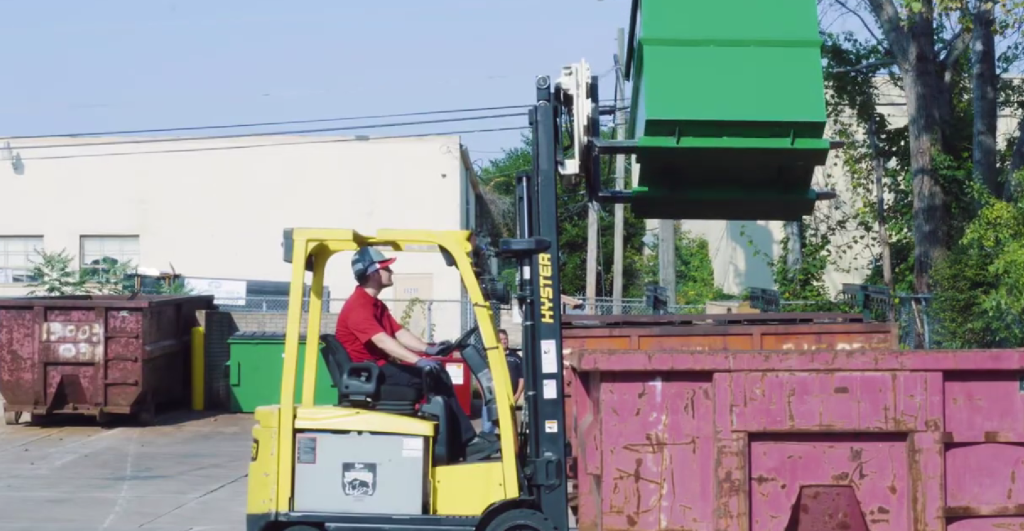
If you’re in a hurry, it can be tempting to rotate the materials as quickly as possible. There is no benefit in doing this, you’re only risking injury and damage to your own forklift. Always stop completely before rotating, raise the rotator box only as high as needed to clear the hopper rim, and rotate slowly and smoothly. Elevating the box too high or jerking the rotational attachment drastically shifts the center of gravity and can cause forklifts to tip over.
Don’t Mess With the Rotator Box While It’s Elevated
Rotator boxes can help improve zero-residue dumping applications, but they’re not perfect. If, for any reason, material is stuck in the rotator box or causing a jam, never shake or bang the box to free stuck material, leave the forklift while the rotator box is elevated, or allow someone to climb into the hopper to mess with the rotator box.
Load Evenly
Depending on what materials you’re handling, loads can easily shift during transportation. Do your best to keep the material centered and below the rim so nothing spills while traveling. If you’re transporting loose or liquid-heavy materials, take it slow around turns and uneven flooring and keep the box low and upright during transport.
Get More Insight From Roura
Roura Material Handling has been a trusted name since our founding over a century ago. Our mission has been the same: helping manufacturers improve production efficiency and worker safety.
We engineer our products to be as easy and safe to use as possible, but there are always risks in material handling applications. Whether you’re purchasing a self-dumping hopper or a rotator box, we’ll always include instructions on how to safely use your new equipment, and even if you lose the instructions, we provide convenient online training.
Visit our website for more resources, or contact us today to get help customizing your rotator box.