Self-dumping hoppers streamline material handling, reduce safety risks, and help protect goods in long-term storage. They can also be customized for applications that frequently require transporting, storing, or handling liquid, loose, or granular materials. Their versatility, durability, and ability to improve process efficiency are just three reasons they’re commonly used across the agricultural, food, and beverage industries.
How Hoppers Are Used for Food Handling
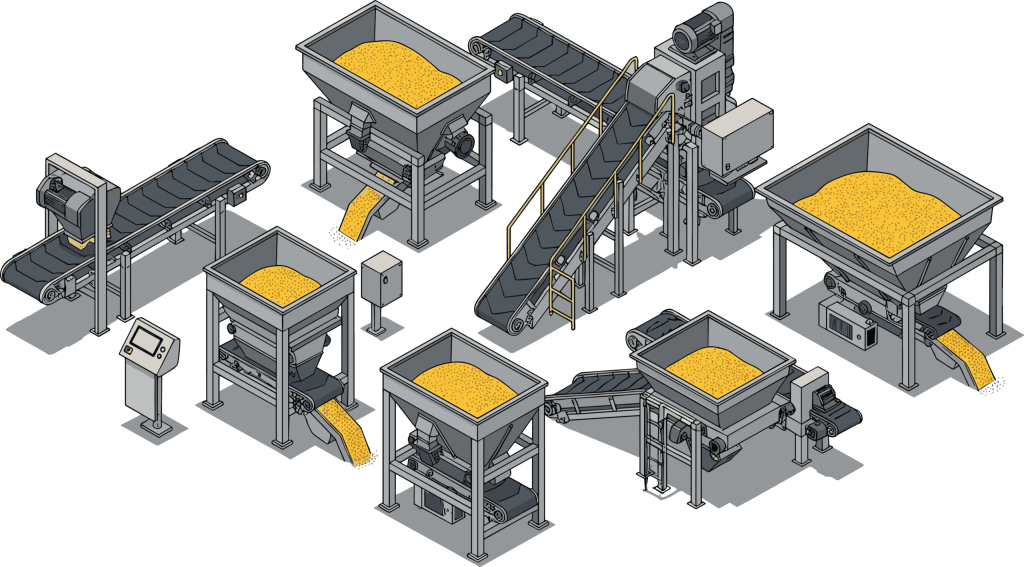
- Moving bulk dry ingredients, including flour, grain, and fresh vegetables.
- Transporting raw ingredients at every level of processing and production.
- Collecting trim waste from meat products, rejected food items with quality control issues, or wet organic food waste intended for composting.
- Storing and holding valuable byproducts that can be sold or used in other processes.
- Managing packaging waste when converting bulk materials into finished food and beverage products.
What to Look for In a Food Waste Hopper
Most food waste hoppers are designed to hold waste products securely but offer limited emptying functionality and are often challenging to feed into a dumpster or other disposal area without specialized equipment. Self-dumping food waste hoppers enable automatic disposal and are compatible with pallet jacks and forklifts you already have.
Not all self-dumping hoppers are designed the same. There are virtually endless design options, so if you need one for any food waste application, keep these factors in mind:
Moisture & Corrosion Resistance
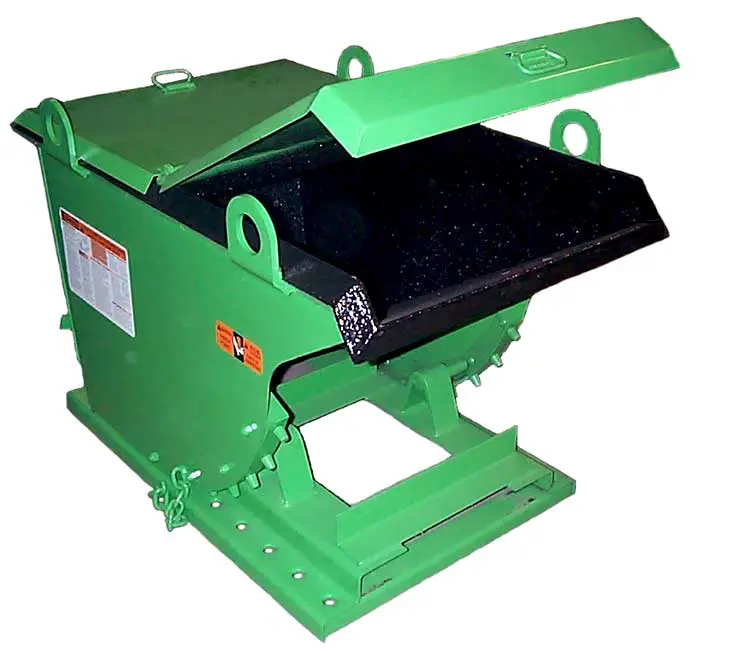
Acidic and alkaline food waste mixtures alike accelerate corrosion. Depending on the level of corrosion resistance you need, consider stainless steel. If stainless steel is outside your budget, hoppers can also be made from galvanized steel or lined with a corrosion-resistant lining.
Drainage
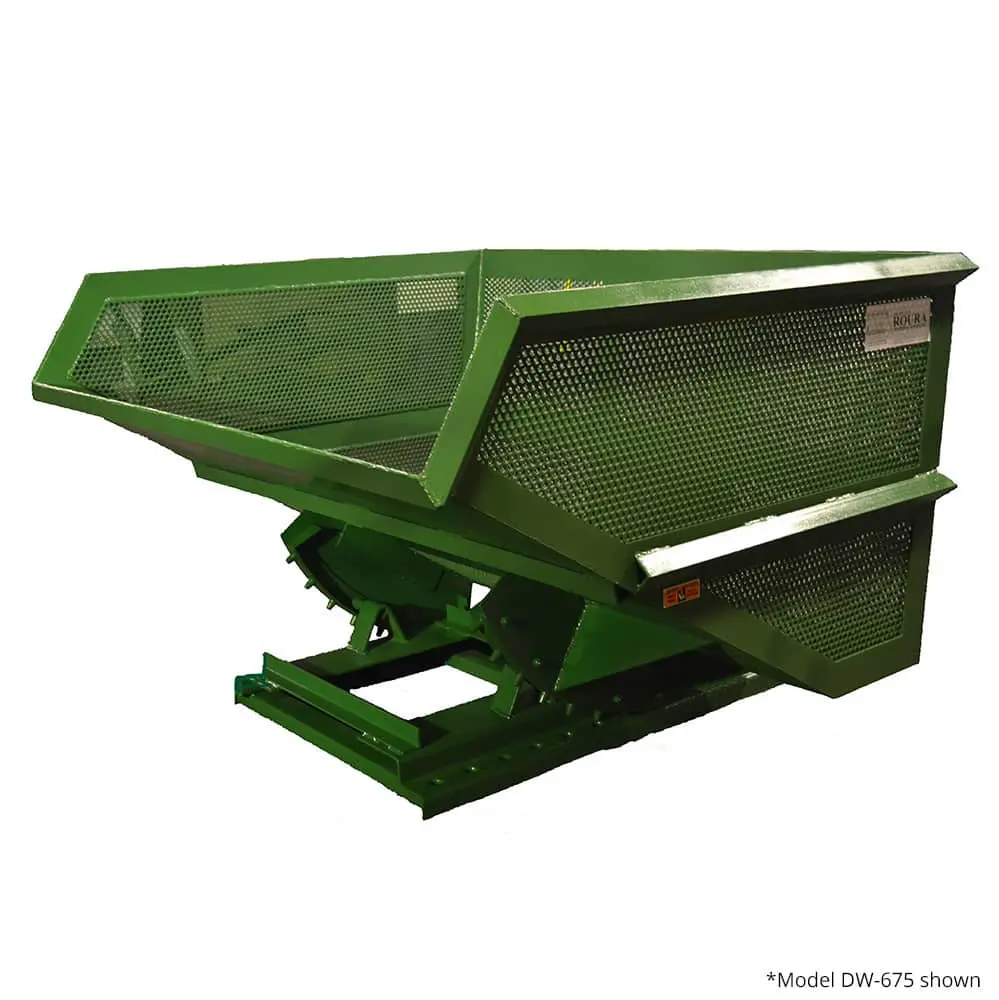
Perforated bottom plates help control the weight of wet food waste mixtures, but the perforations must be small enough to prevent fine waste from slipping out. Dewatering designs also help reduce transportation loads, saving money on the energy required to move these products.
Lids
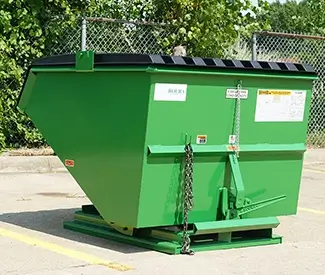
Food products attract pests, and that goes double for waste, leftovers, and byproducts. From restaurant composting operations to handling fatty and greasy trim, self-dumping hoppers need reinforced lids to keep out gnats, raccoons, rats, and more.
Trip Latch

Trip latches are highly recommended for food waste applications. These latches activate the lid of your hopper, allowing you to dump food waste into a dumpster without ever leaving your forklift.
Casters
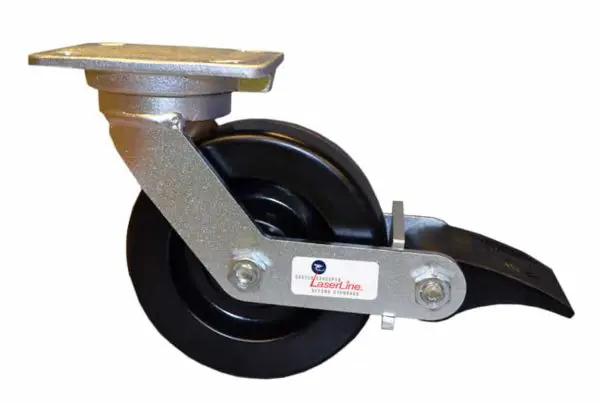
Whether you process meat or run a restaurant, having a portable hopper is a must. Adding casters to your hopper will ensure you have the portability you need. Casters can be engineered from a variety of materials. For food waste applications, we recommend polyurethane or phenolic casters, which won’t leave marks on your floors and will resist oil, water, and grease.
Base Legs

Many food waste products, especially packaging or loosely packed items, can shift and cause weight to press against one side of the hopper. Adding base legs to your hopper can help improve stability and prevent tipping.
Get Product Recommendations From Roura
At Roura Material Handling, we understand that every application is unique. Self-dumping hoppers can significantly improve the efficiency of your material handling processes, but only if they’re designed right.
If you have questions about which design or material would work best for your hopper, consult our experts. We’re happy to provide product recommendations and guide you through the customization process.